The Smooth Dance of Two Spheres
An Exact Calculation in Fluid Mechanics
Kengo Ichiki
Two spheres face each other in a viscous fluid. This book calculates their interaction not approximately but exactly — and tells the story of the research along the way. The English edition of the Japanese original 厳密な計算 ふたつの球のなめらかなダンス, translated by the author.
Also available: paperback on Amazon.com/Amazon.co.jp: paperback・Kindle

What does it take to calculate something exactly?
Two spheres move through a viscous fluid. Follow their hydrodynamic interaction from the equations of Stokes flow to C code and 1,414 exact coefficient values.
From approximation to exact results. From equations to code. And into the human story of research.
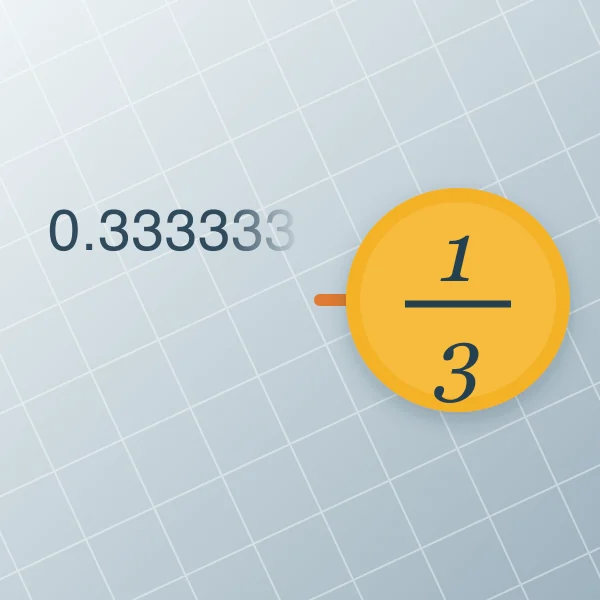
From approximation to exact calculation
Instead of stopping at a "good enough" floating-point approximation, this book uses exact rational arithmetic with GMP to obtain exact coefficient values.
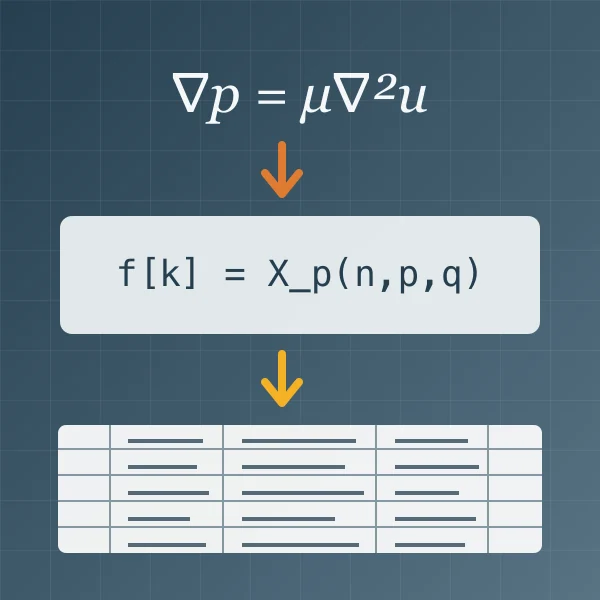
From equations to code and tables
Follow Stokes flow, Lamb's general solution, and the Jeffrey–Onishi recurrence relations into working C code, then onward to tables containing 1,414 exact coefficient values.
The human story of research
Meet the mentors and collaborators, the wrong turns and failures, and the passion, struggles, and dogged persistence: the human story that formal papers leave out.
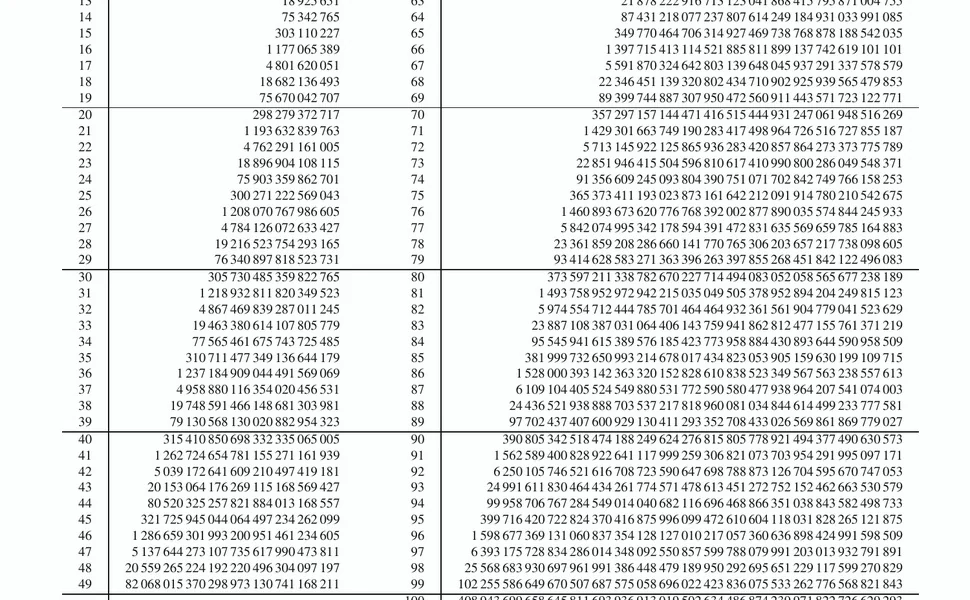
1,414 exact coefficient values fill the page.
A technical doujinshi: neither a textbook nor a specialist monograph. An independently produced technical book that works through the mathematics, writes the code, and calculates and verifies the exact coefficients. For curious readers who want both the mathematics and the human story behind the research.
Where it comes from
The book works through the core ideas of a 1984 paper on two spheres in Stokes flow — the kind of problem the author worked on as a researcher in microhydrodynamics — all the way to exact results. The code is C with the GNU Multiple Precision library; the same lineage continues in the author's open-source libstokes.
Read it? Write an honest review on Amazon → — a star rating alone is fine. Other books and the app: write a review.